
Winter Home Improvement Tips for UK Homeowners: Maximising Comfort and Efficiency
As winter approaches, preparing your home for the colder months becomes crucial for UK homeowners. In this guide, we’ll explore key areas of your home that need attention before the cold sets in. You’ll learn about crucial maintenance tasks, energy-efficient upgrades, and safety measures to implement. Whether you’re a new homeowner or a seasoned property manager, these tips will help you create a warm, safe, and efficient home environment for the winter months ahead.
Heating System Servicing and Efficiency
As winter approaches, ensuring your heating system operates at peak efficiency becomes crucial. Regular maintenance of your boiler is essential for optimal performance and longevity.
You should schedule an annual boiler service with a qualified technician. This helps identify potential issues early, preventing costly breakdowns and ensuring your home stays warm throughout the colder months.
Consider upgrading your central heating controls. Smart thermostats offer precise temperature management, allowing you to heat your home more efficiently. These devices learn your routines and adjust heating accordingly, potentially reducing energy consumption.
Key benefits of smart thermostats:
- Remote control via smartphone apps
- Zone-based heating management
- Energy usage insights
Installing a smart meter can help you monitor your energy consumption in real-time. This awareness often leads to more conscious usage and lower bills.
To maximise efficiency, set your thermostat to 18-21°C during the day when you’re active. Lower it to 15-17°C at night or when you’re out to save energy without risking frozen pipes.
Proper insulation is vital for maintaining heat. Check your loft, walls, and floors for adequate insulation. This reduces strain on your heating system and keeps your home cosier.
Remember, an efficient heating system not only keeps you warm but also helps reduce your carbon footprint and energy bills.
Home Insulation Strategies
Proper insulation is crucial for keeping your home warm and reducing energy bills during winter. One of the most effective methods is loft insulation, which can save you up to £590 annually on a detached house.
Roof insulation is another vital area to address. Heat rises, so insulating your roof prevents warmth from escaping through the top of your home.
To insulate your home effectively, consider these strategies:
- Seal gaps around windows and doors
- Install cavity wall insulation
- Add insulation to your hot water tank and pipes
- Use draught excluders on external doors
Energy saving tips include:
- Installing double or triple glazed windows
- Using heavy curtains to trap heat
- Placing reflective panels behind radiators
Remember to check for any existing insulation in your home before adding more. If you’re unsure about the best approach, consider consulting a professional energy assessor.
By implementing these strategies, you can significantly improve your home’s warmth and reduce your energy consumption. This not only saves you money but also contributes to a more environmentally friendly household.
Draught Proofing and Heat Conservation
As winter approaches, keeping your home warm becomes a top priority. Draught-proofing is one of the most cost-effective ways to save energy and money in your home. By addressing unwanted gaps, you’ll use less energy and keep your living space cosier.
Start by identifying common sources of draughts. These often include windows, doors, floorboards, and chimneys. Once located, you can take steps to seal these areas effectively.
For windows and doors, consider installing weatherstripping. This simple solution creates a tight seal when closed, preventing cold air from seeping in. You can also use draught excluders for the bottom of doors.
Don’t forget about your letterbox and keyhole. Use a purpose-made cover for the keyhole and a brush or flap for the letterbox to keep cold air out.
Heavy curtains can provide an extra layer of insulation for your windows. Close them at dusk to retain heat and open them during sunny days to let warmth in.
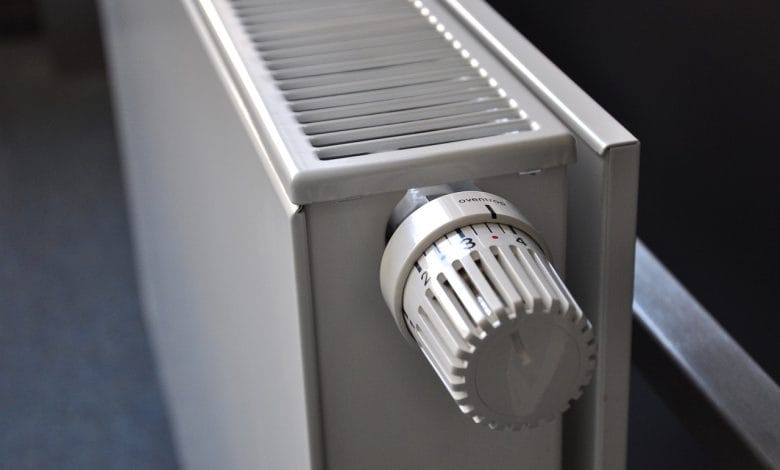
Remember to bleed your radiators regularly. This removes trapped air, allowing them to heat your home more efficiently.
By implementing these draught-proofing measures, you can significantly reduce your energy bills.
Protecting Against Winter Damage
Winter weather can wreak havoc on your home if you’re not prepared. To safeguard your property, start by cleaning your gutters regularly. This prevents ice dams and water damage to your walls and foundations.
Next, conduct a thorough roof inspection. Look for loose or missing tiles, and repair any damage promptly. A well-maintained roof is your first line of defence against harsh winter elements.
Don’t forget to trim trees near your house. Overhanging branches can break under the weight of ice or snow, potentially damaging your roof or windows.
Proper drainage maintenance is crucial to prevent flooding and water damage. Consider hiring professional drainage specialists like CapCon Engineering to ensure your system is up to par. CapCon can assess and upgrade your drainage to handle heavy rainfall and melting snow effectively.
Here’s a quick checklist for winter home protection:
- Clean gutters and downspouts
- Inspect and repair roof
- Trim overhanging tree branches
- Schedule professional drainage assessment
- Check and seal windows and doors
- Insulate pipes to prevent freezing
By taking these steps, you’ll significantly reduce the risk of winter damage to your home. Remember, prevention is always better than cure when it comes to protecting your property from harsh winter conditions.
Creating a Festive Winter Home
As winter approaches, transforming your home into a cosy haven becomes essential. Start by adorning your living spaces with Christmas decorations and lights. Mid Ulster Garden Centre offers a splendid selection to suit various tastes.
Illuminate your home to combat the dark winter days. Consider installing dimmer switches for a warm ambiance. Place table lamps strategically to create inviting reading nooks.
Introduce winter textiles to add warmth and comfort. Drape thick, plush throws over sofas and armchairs. Swap lightweight curtains for heavier fabrics to retain heat and create a snug atmosphere.
Layer your home with seasonal scents. Light cinnamon or pine-scented candles to evoke festive memories. Place potpourri bowls filled with winter spices around your living areas.
Reorganise your space to accommodate winter activities. Create a dedicated area for hot drinks near your kettle or coffee machine. Set up a cosy corner for indoor hobbies like reading or crafting.
Bring nature indoors with winter-themed centrepieces. Arrange pinecones, holly, and berries in decorative bowls. Consider an artificial Christmas tree for a low-maintenance festive focal point.
Don’t forget your outdoor spaces. Hang fairy lights in your garden or on your balcony to create a magical winter wonderland. Place lanterns along pathways for a welcoming glow.
Preparing for Emergencies
Winter emergencies can strike unexpectedly, so it’s crucial to be prepared. Start by assembling an emergency kit for your home. This should include:
- Torches and spare batteries
- First aid supplies
- Blankets and warm clothing
- Non-perishable food and bottled water
Ensure your carbon monoxide detectors are in working order. These devices are vital for detecting this odourless, potentially lethal gas.
Frozen pipes can cause significant damage to your home. To prevent this, insulate exposed pipes and know how to shut off your water supply if needed.
Stock up on essential winter supplies, including:
- Rock salt or grit for icy paths
- Snow shovel
- Extra fuel for heating
Keep a list of emergency contact numbers handy, including your utility providers and local emergency services.
Consider investing in a backup power source, such as a generator, for prolonged power outages. This can be particularly important if you rely on electrical medical equipment.
Lastly, create an emergency plan with your family. Decide on a meeting point and communication strategy in case you’re separated during an emergency.


