Yorkshire Wildlife Trust reports bird flu outbreak at popular East Yorkshire reserve
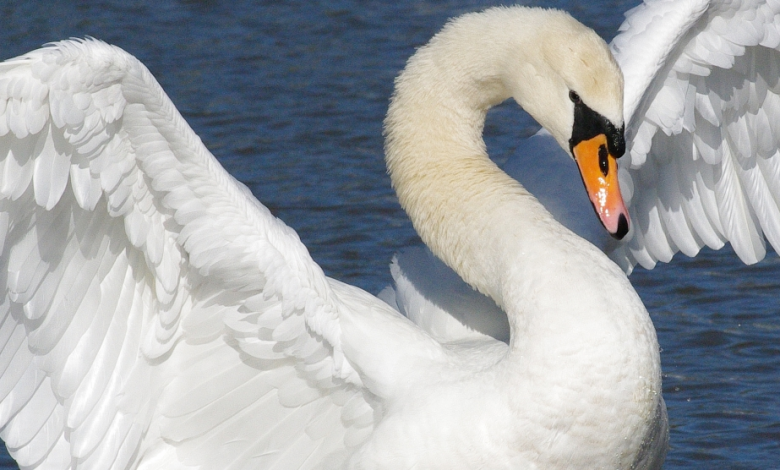
The Yorkshire Wildlife Trust has reported bird flu cases at North Cave Wetlands reserve affecting the mute swan population.
The Trust is asking visitors to report any poorly or dead birds they see if visiting the reserve, but not to touch them.
The swans are usually located away from the public areas and footpaths, and the Trust is closely monitoring the situation with support from Defra.
Mute swans are some of the most common wetland birds, and there is a reasonably-sized population at North Cave Wetlands over the winter months.
Tony Martin, Nature Reserves Manager for North Cave Wetlands, said, “It is with great sadness that we have reported an outbreak of avian influenza (HPAI) at North Cave Wetlands.
“We are liaising closely with Defra on next steps, and following their advice during this time. Sadly, avian flu is a disease that is spread between wild birds and aquatic birds like gulls, ducks and geese are considered most at risk.
“We can’t stop this happening, but we can help our wild birds to be healthy and thrive, to withstand disease outbreaks like this.
“They already face pressures from habitat loss, pollution and a decline in insects and other food sources, and nature reserves remain our best line of defence for their survival.
“We will continue to monitor the state of the population and hope this outbreak will remain isolated to mute swans.
“We thank all of our visitors for their support and understanding at this time.”
This strain of bird flu has been impacting bird populations across the country since 2021. In 2023 the reserve’s black-headed gull population, the largest in Yorkshire, was severely impacted.
However, over the past two years, the population has recovered well from the outbreak with numbers steadily increasing year on year, and the Trust is hopeful the same will occur for the mute swan population.
Current evidence shows little risk to humans from bird flu and Yorkshire Wildlife Trust has no plans to close the reserve.
The Trust is monitoring this closely and may need to restrict access or close parts of the reserve to protect wildlife.
It is crucial that birds remain undisturbed as the stress of disturbance can increase transmission of the virus.