Do something special and make a difference in your community
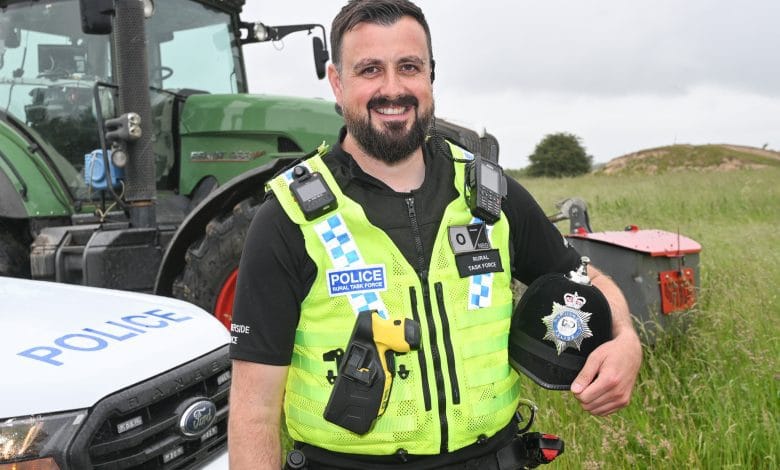
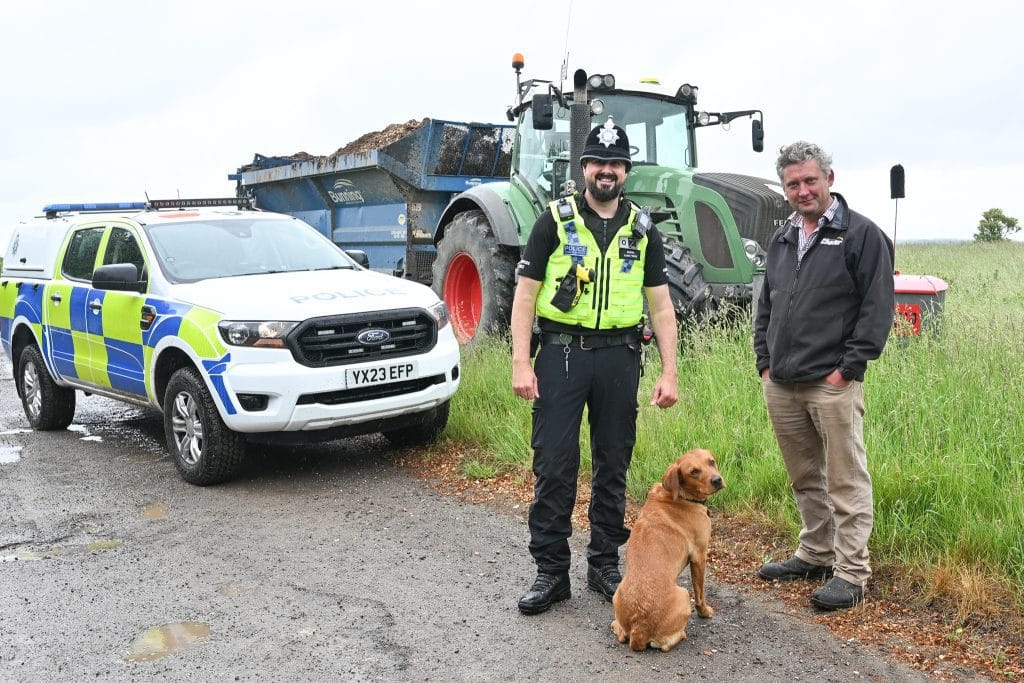
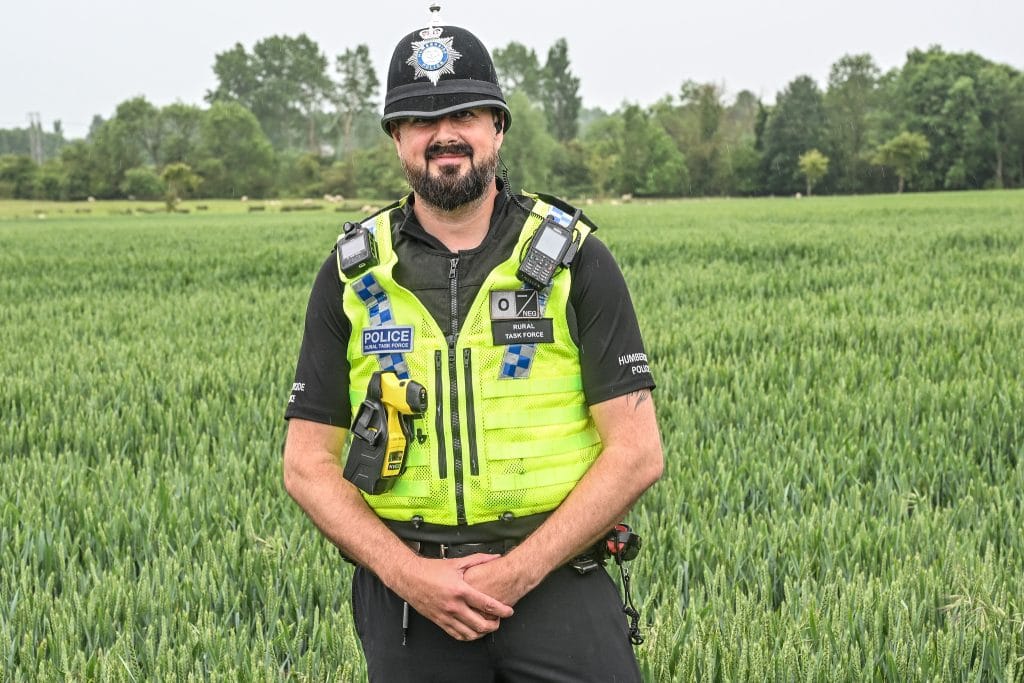
Enjoying the best of both worlds, special sergeant Jonathan Page has found the perfect way of pursuing his interests in both agriculture and policing by joining the Special Constabulary.
Jonathan became a special constable with Humberside Police in 2007 and for the past 18 years has committed his spare time to helping and protecting his community, while pursuing his career as an agronomist.
As a special sergeant, he now manages a small team of special constables at Driffield and Bridlington police stations.
His role is within the Rural Task Force in Driffield supporting rural communities offering crime prevention advice and reducing thefts from farms.
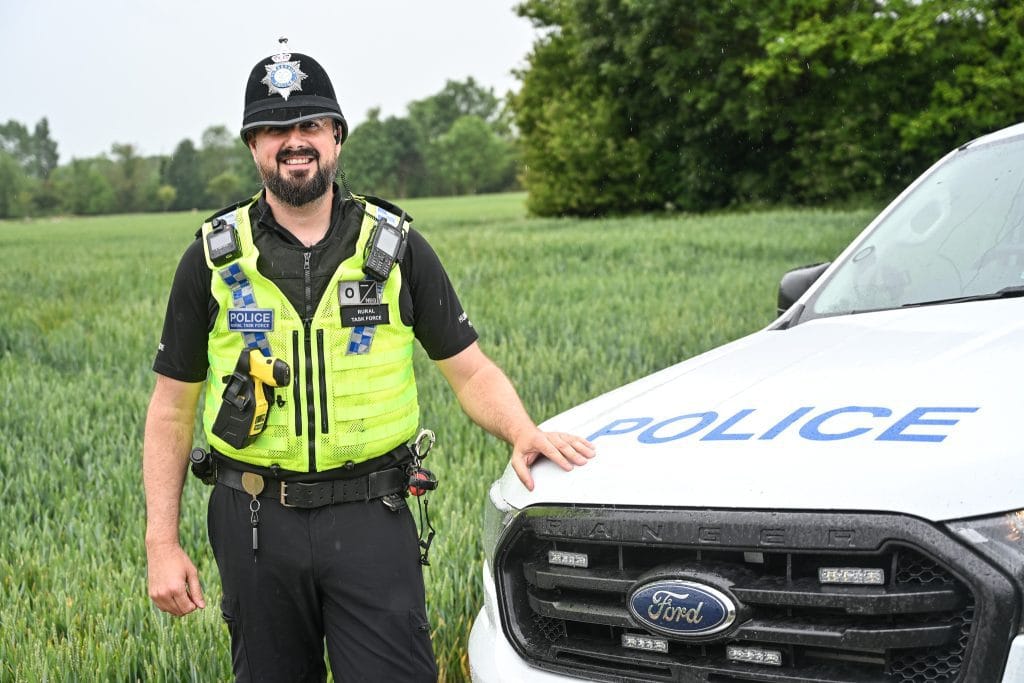
He told the Wolds Weekly that he is equally passionate about both of his roles and feels fortunate to have found a way to do both.
“For as long as I can remember I have been interested in agriculture and policing. I never thought for one second in my adult life I’d be doing both jobs as an agronomist and a special constable,” he said.
“I love my role with the Rural Task Force. During the day we attend farms and help farmers mark farming equipment with Selecta DNA, a property marker that contains a unique DNA code.
“These codes allow police to identify property and link criminals to the crime.
“We also install Data TAGs to farm machinery, these tiny transponders possess a unique identification code that can be read by a hand-held scanner used by the UK’s police forces.
“By night we organise proactive events protecting national heritage sites from nighthawking (illegal metal detecting) and preventing illegal hare coursing.
“I enjoy engaging with the rural community, helping farmers learn about crime prevention and protecting the wildlife.
“Working for farmers in my day job gives me a lot of satisfaction that not only I can help their business become profitable, at night I can protect their farms and reduce theft.”
Humberside Police currently has 112 special constables across the force and is now looking to recruit more specials who want to spend their spare time protecting their local community.
Special constables have the same powers as paid regular officers, wear the same uniform and are issued with the same protective equipment, but do the role as a volunteer in their own time.
No two days are the same, from arresting wanted people, patrolling community events to attending emergency incidents.
With a minimum requirement of giving 16 hours a month to the role, becoming a special constable gives people the opportunity to pursue a career while giving something back to their community.
Policing has given me awide range of valuable skills, including communication, decision-making, and the ability to remain calm under pressure
Sgt Page said: “You cannot distinguish between a regular police officer and a special constable; we are trained to the same standard as a regular police officer.
“The only real difference is that as volunteers, we do not have a work book which requires regular officers to investigate incidences as part of their day shift, and we do not interview victims or suspects.
“We do however attend 999 calls and proactively help and support the community the same as a full-time police officer or PCSO.
“All new recruits are given full training and each ear we have to complete an officer safety refresher training, which involves passing a physical test known as the bleep test.
“I am one of only a few special constables to be trained to PSU level 2, a special role meaning I am trained to deal with a variety of public order situations. I am also a specially trained officer which means I am authorised to carry a taser.
“Working alone in rural areas means that support can easily be 30 minutes away and having the necessary equipment to protect vulnerable people and the rural community is the main reason why I opted to undergo this additional training.
“It is up to the individual if they want to take on this additional training and is not a requirement for a special.”
Applications to become a special constable with Humberside Police are open until 30th June, with successful recruits joining the force in early 2026.
Sgt Page added: “Over the years I have recommended the specials to a lot of people, and I am proud to see these people become a special constable and then move into a regular officer role.
“Policing has given me a wide range of valuable skills, including communication, decision-making, and the ability to remain calm under pressure.
“These skills are honed through training, on-the-job experience, and interacting with the public and other officers.
“I would say a suitable person for becoming a special constable should possess strong interpersonal skills, including the ability to communicate clearly, stay calm under pressure, and resolve disputes sensitively.
“They should also be self-motivated, committed and adaptable, with a strong sense of integrity and a desire to serve their community.
“At first, I had ambitions of becoming a regular police officer, but I was very fortunate to become an agronomist and realised that I didn’t have to make a choice about working alongside farmers or police officers, I could do both.
“So that’s what I decided to do, and I feel like I have the best of both worlds.”
Humberside Police values the contribution of its special constables and the difference they make both to their communities and the force.
Assistant Chief Constable Mike Walker said: “Our special constables provide a crucial service across the whole of our Humberside Police force area. They volunteer in their own time, come from all walks of life, and have the same powers and responsibilities as full- and part-time, paid officers.
“Made up of like-minded people who all run towards danger, just like our regular officers, special constables are an integral part of our force, helping us protect communities across the Humber region.”
Special Constabulary Chief Officer John Philip added: “Initial classroom training takes around three months, and then you’ll be working alongside experienced regular officers and special constables as you work through on the job training and assessments, giving you all the skills and abilities needed to become a successful special constable.
“I started as a special constable the week before I started work for my main job employer, and for 36 years I have served both organisations simultaneously. This has allowed me to hone an eclectic set of transferable skills that I have then been able to apply to both roles throughout my career.
“I have remained a volunteer without wanting to move into regular paid policing because I felt it gave me the best of both worlds. From a financial and work/life balance perspective it was advantageous to stay with my employer, and I’ve enjoyed a rewarding career with them too.
“The opportunity to follow a voluntary career in policing in parallel to my main job has broadened my experience, allowing me to do something really worthwhile and give back to my community.”
In order to be eligible to apply to become a special constable, applicants must:
- be at least 18 years old (there is no upper age limit)
- have a good level of fitness to pass the fitness test
- pass a medical examination
For further information about becoming a special constable and details about the recruitment process, please visit www.wearehumbersidespecials.com