Why the Honda Jazz outperforms SUVs in urban conditions
Should You Replace Your Catalytic Converter? Yes, you should replace your catalytic converter if you notice: the Check Engine light staying on, reduced acceleration and power, increased fuel consumption, rattling noises from the exhaust, dark smoke or sulphur smell from the exhaust, or failing your MOT emissions test. Catalytic converters typically last 10 years but must be replaced when showing these symptoms to avoid engine damage and legal issues. Replacement costs range from £150-900 depending on your vehicle model, with labour adding 1-2 hours to the bill. Ignoring a failing catalytic converter can lead to serious engine problems and significantly higher repair costs.
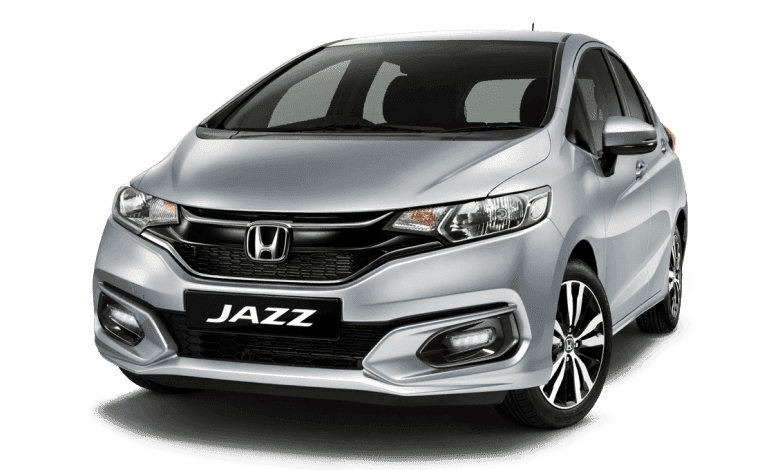
The Honda Jazz leads the pack for urban driving, offering exceptional fuel economy (over 60mpg), low maintenance costs, and remarkable practicality. For city drivers seeking the perfect balance of efficiency, reliability, and economy, small hatchbacks like the Jazz typically outperform compact SUVs in running costs and fuel consumption, though SUVs offer better boot space and driving position.
Why the Honda Jazz dominates city streets
The Honda Jazz has earned its reputation as one of Britain’s best urban cars through a combination of impressive efficiency and smart design. All Jazz models achieve over 60mpg in official tests and emit less than 105g/km of CO2, with real-world testing showing the Jazz Advance averaged 51.6mpg. This exceptional fuel economy means fewer trips to the petrol station and lower running costs for city dwellers.
Honda’s reputation for reliability backs up these impressive efficiency figures. Honda scored an impressive 89.7 points and came 11th out of 29 brands in the most recent HonestJohn.co.uk Satisfaction Index. The brand also ranked 11th in the Auto Express Driver Power survey for reliable car brands, beating fellow Japanese rivals Lexus, Suzuki, and Nissan. This reliability track record means Jazz owners can expect fewer unexpected repair bills and greater peace of mind.
The Jazz’s excellent visibility and impressive turning circle make it shine in urban environments, darting in and out of tight spaces with ease. Parking becomes effortless thanks to standard sensors across the range and reversing cameras on all models. The elevated driving position provides better visibility than traditional hatchbacks, while the compact footprint makes navigating narrow city streets straightforward.
What sets the Jazz apart is its clever interior design. The fuel tank is positioned under the front seats, freeing up significant space under the rear bench, creating surprisingly generous interior room that belies its small external dimensions. This makes the Jazz particularly suitable for families who need city-friendly dimensions without sacrificing practicality.
Catalytic converter costs and theft protection
One area where Jazz owners need to be aware of potential costs is the catalytic converter. A catalytic converter, such as for the Honda Jazz on AUTODOC, typically costs between £117 to £387 for replacement, depending on the manufacturer and specifications. Honda Jazz catalytic converter replacement cost in the UK varies significantly between regions, with London and Southeast England typically charging premium rates compared to Northern England and Wales. Unfortunately, the Honda Jazz is among the vehicles most frequently targeted for catalytic converter theft due to the valuable metals contained within these components.
Key Warning Signs Your Catalytic Converter Needs Replacement:
- Check Engine Light: Modern vehicles use oxygen sensors to monitor converter efficiency
- Reduced Performance: Difficulty accelerating, especially uphill or with additional weight
- Poor Fuel Economy: Engine working harder leads to increased fuel consumption
- Unusual Sounds: Rattling noises from the exhaust system, particularly when starting
- Exhaust Issues: Dark smoke or strong sulphur smell (like rotten eggs) from the exhaust
- MOT Failure: Failing emissions tests is a common indicator of converter problems
Catalytic converters are designed to last approximately 10 years under normal conditions, but engine misfires, contamination from coolant or oil leaks, and using incorrect fuel can significantly reduce their lifespan. Continuing to drive with a failing converter can lead to complete engine failure and much higher repair costs.
To protect against theft, Jazz owners should consider anti-theft protection plates, which are available for around £30-50. Parking in well-lit areas, using secure car parks when possible, and considering catalytic converter marking services offered by local police can help deter thieves. Some insurance companies also offer discounts for vehicles with anti-theft devices fitted.
Honda maintenance costs compared
Maintaining your Honda properly is crucial for reliability, and oil changes represent one of the most frequent service requirements. Oil change costs vary significantly across Honda models, with the Civic typically costing between £115-143, while the Accord ranges from £126-156. The Jazz, being a smaller car with a smaller oil capacity, typically sits at the lower end of this range.
According to an AUTODOC expert, “Honda recommends changing the engine oil every 10,000 to 15,000 miles, depending on usage and the type of oil used, or at least once a year.” This extended service interval helps keep maintenance costs reasonable compared to some competitors that require more frequent changes.
The table below shows typical oil change costs across Honda’s UK lineup, helping you budget for regular maintenance:
| Honda Model | Oil Change Cost (UK 2025) | Engine Size | Service Interval |
| Honda Jazz | £90-120 | 1.5L Hybrid | 10,000-15,000 miles |
| Honda Civic | £115-143 | 1.5L/2.0L | 10,000-15,000 miles |
| Honda Accord | £126-156 | 1.5L/2.0L | 10,000-15,000 miles |
| Honda CR-V | £130-160 | 1.5L/2.0L | 10,000-15,000 miles |
The Jazz clearly offers the most economical maintenance costs, with oil changes costing up to £50 less than larger Honda models. This £30-50 annual saving on oil changes alone, combined with Honda’s generous 10,000-15,000 mile service intervals, makes the Jazz particularly attractive for cost-conscious urban drivers who prioritise low running expenses over interior space.
How to save money on servicing
One effective way to reduce running costs is choosing independent specialists over main dealers for routine maintenance. Based on average UK service savings compared to main dealer prices in 2025, drivers can save substantial amounts over time: £80 in the first year, £190 over three years, and up to £430 over five years. These savings can significantly offset the higher purchase price of hybrid models like the Jazz, making them even more attractive for budget-conscious urban drivers.

The infographic above illustrates the cumulative financial benefits of choosing independent service centres over franchise dealerships. For Honda Jazz owners, this strategy can reduce total ownership costs by hundreds of pounds over the vehicle’s lifespan, making the already economical Jazz even more budget-friendly for city driving.
Independent garages often provide the same quality service using genuine or OEM-equivalent parts, but without the premium pricing structure of franchise dealerships. This approach is particularly beneficial for older vehicles outside warranty periods.
Hatchbacks vs SUVs – which costs less to run
When choosing between a compact hatchback like the Jazz and a compact SUV, the differences in running costs and practicality are significant. Hatchbacks generally offer better fuel efficiency due to their smaller size and weight, while SUVs provide more interior space and higher ground clearance.
This comprehensive comparison shows key differences between compact hatchbacks and SUVs to help guide your decision:
| Comparison Factor | Compact Hatchbacks (Jazz) | Compact SUVs (Karoq) | Advantage |
| Fuel Economy | 60+ mpg | 45-55 mpg | Hatchbacks (10-15% better) |
| Boot Space | 300-400 litres | 521 litres | SUVs |
| Purchase Price | Generally lower | Generally higher | Hatchbacks |
| Insurance Costs | Lower groups (18-22) | Higher groups | Hatchbacks |
| Tyre Costs | Smaller, cheaper tyres | Larger, more expensive | Hatchbacks |
| Driving Position | Lower, car-like | Higher, commanding view | SUVs |
| City Manoeuvrability | Excellent | Good | Hatchbacks |
| Ground Clearance | Standard | Higher | SUVs |
The data clearly shows that hatchbacks win on running costs across six out of eight categories, making them the smarter financial choice for urban driving. SUVs only excel in boot space and driving position, but these advantages come at a significant premium in daily operating expenses. For city dwellers prioritising economy over cargo capacity, compact hatchbacks like the Jazz offer superior value.
Running Costs: SUVs are generally more expensive than hatchbacks to buy and run, requiring more fuel to move due to their size and weight. Insurance costs also tend to be higher for SUVs, and replacement tyres for larger wheels cost more.
The bottom line for urban drivers
The choice between hatchback and SUV ultimately depends on your priorities. For pure urban efficiency and low running costs, compact hatchbacks like the Honda Jazz are hard to beat. As confirmed by the best small cars as ranked by whatcar.com, the emphasis remains on reliability, buying costs, and comfortable driving positions – areas where the Jazz consistently excels.
The Jazz’s hybrid system, robust build quality, and Honda’s reputation for reliability make it an excellent choice for city drivers who prioritise long-term value over immediate space needs. While compact SUVs offer advantages in boot space and driving position, they come at the cost of higher running expenses and reduced fuel efficiency.
For urban drivers seeking maximum efficiency and minimal running costs, the Honda Jazz represents the sweet spot of modern city motoring – proving that good things really do come in small packages.
Source: